How I prepare an international trade fair trip: a checklist to avoid unexpected events
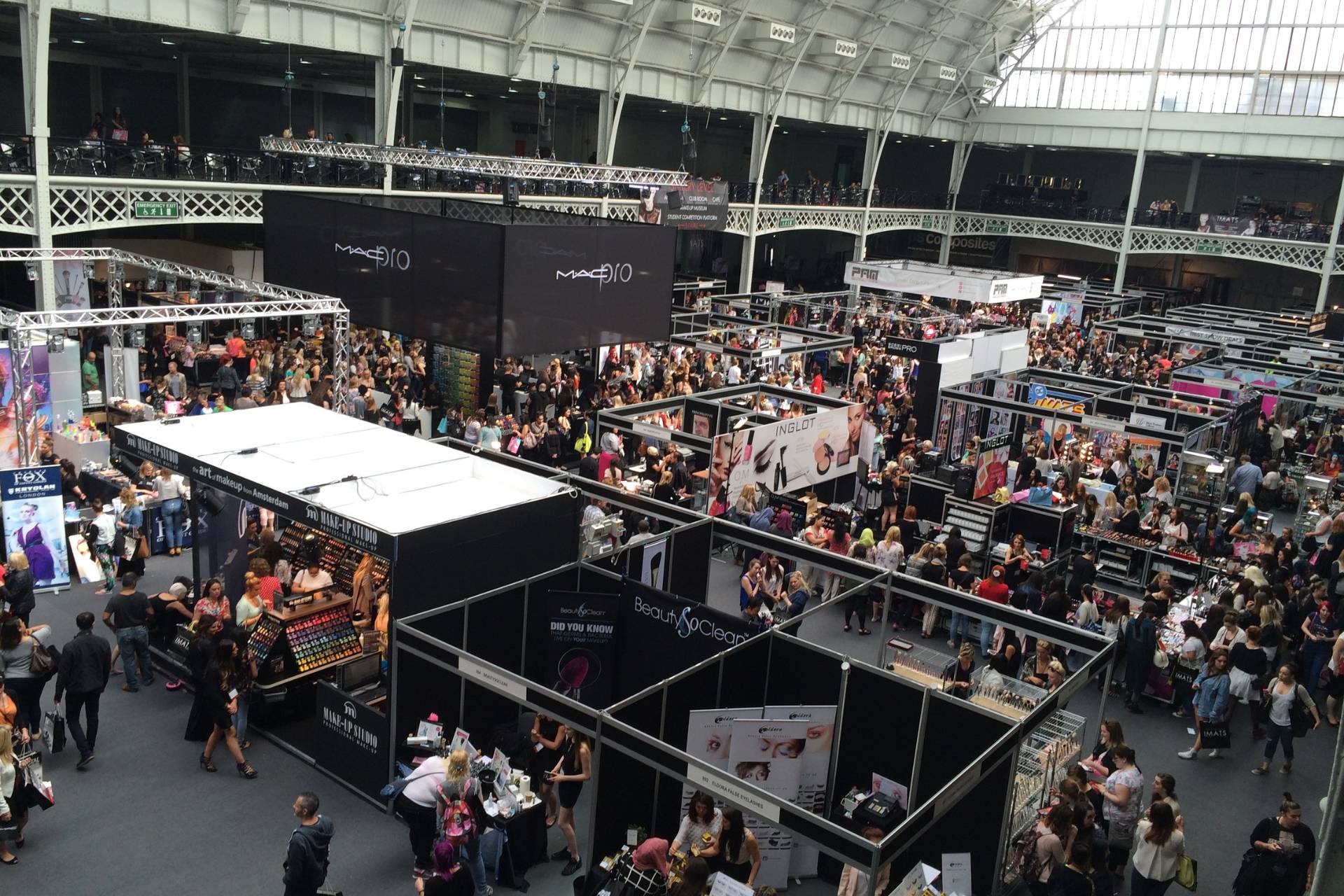
A trip for an international trade show is a time-bound project, with fixed deadlines, meetings that cannot be moved, and a city that, during the event, changes pace and rules.
When it’s well organized, the team arrives clear-headed, present, and ready to do business.
Here’s how I prepare it for you, with a method that protects time, energy, and budget.
- Requirements gathering
Questions first, bookings second. The most important part happens before opening any booking platform. I collect information such as:
- Who is traveling, and with which roles and priorities (sales, technical, management, stand builders).
- The goal of the trip: booth presence, visits, meetings, speaking slots, scouting.
- Meeting agenda: times, locations, constraints, flexibility margins.
- Luggage and materials: samples, equipment, documents, possible shipments.
- Personal preferences and needs: pace, dietary requirements, any limitations.
This phase helps avoid the most common mistake: booking something “well” that is actually not suitable or not needed.
- Meeting agenda and bookings
To build a plan that holds up, at a trade show schedules are not a detail. I work in “time windows”: I plan the arrival early enough to handle issues and be operational. Departure must align with the end of the trade show: dismantling, last meetings, and realistic time needed to reach the airport. Buffers: I add intentional margins (not dead time) for traffic, queues, security checks, delays, and last-minute agenda changes.
A good plan is not the one that looks perfect on paper, it’s the one that still works when something changes.
- Plan B and prevention: what I prepare before it’s needed
This is the “invisible” but most valuable part of my work. Before departure I prepare:
- Realistic (not theoretical) flight or train alternatives in case of cancellations or strikes.
- Backup hotel options, especially when the city is sold out. Why a backup hotel? Because it can happen that the air conditioning doesn’t work in the booked hotel and they have no other rooms available. Should the hotel handle it? Yes. Will they? I don’t know. So I plan a Plan B.
- Fast contacts and channels: suppliers, transfers, venues, local contacts.
- A clear travel file for the team: itinerary, addresses, times, useful numbers, company rules/policies.
The goal is simple: everything must be clear and immediately accessible. And if something happens, we don’t improvise.
- Site, venue, and logistics
During an international trade show, the city changes: traffic, taxi availability, prices, travel times, even access points and security checks.
That’s why I choose hotels and transportation by looking at:
- Where the venue really is and which access points are most practical.
- Opening hours, peak times, and realistic travel times.
- Reliable transfer solutions: walking, metro, taxi, private driver, shuttle, depending on schedules and budget.
- Critical points: evening returns, congested areas, less safe zones.
“Close” doesn’t mean “convenient”. And “convenient” is often what makes the difference between a productive day and a wasted one.
- Choosing distances and timings
Bookings for flights, hotels, transfers, and all related services depend on the activities and required timing: booth setup/installation, deliveries, who needs to be operational earlier and who can arrive later, which key meetings you cannot be late for, jet lag, and more.
These are just some of the items on the checklist I use to guide the organization of a trade show trip, especially an international one.
Organizing an international trade show trip means turning many variables into a simple plan to follow. The value is not only booking, but preventing issues.
Because when everything is planned in advance, the team can do what they traveled for: meet people, close opportunities, represent the company at its best.
Of course, the most important resource is having enough time to organize everything with the right lead times.
If you’re preparing a trip for an international trade show and want support to organize it at its best, book a call: I’ll help you build a plan that holds up even when something changes.